Neighborhood Guide: Midtown Momentum & Connectivity
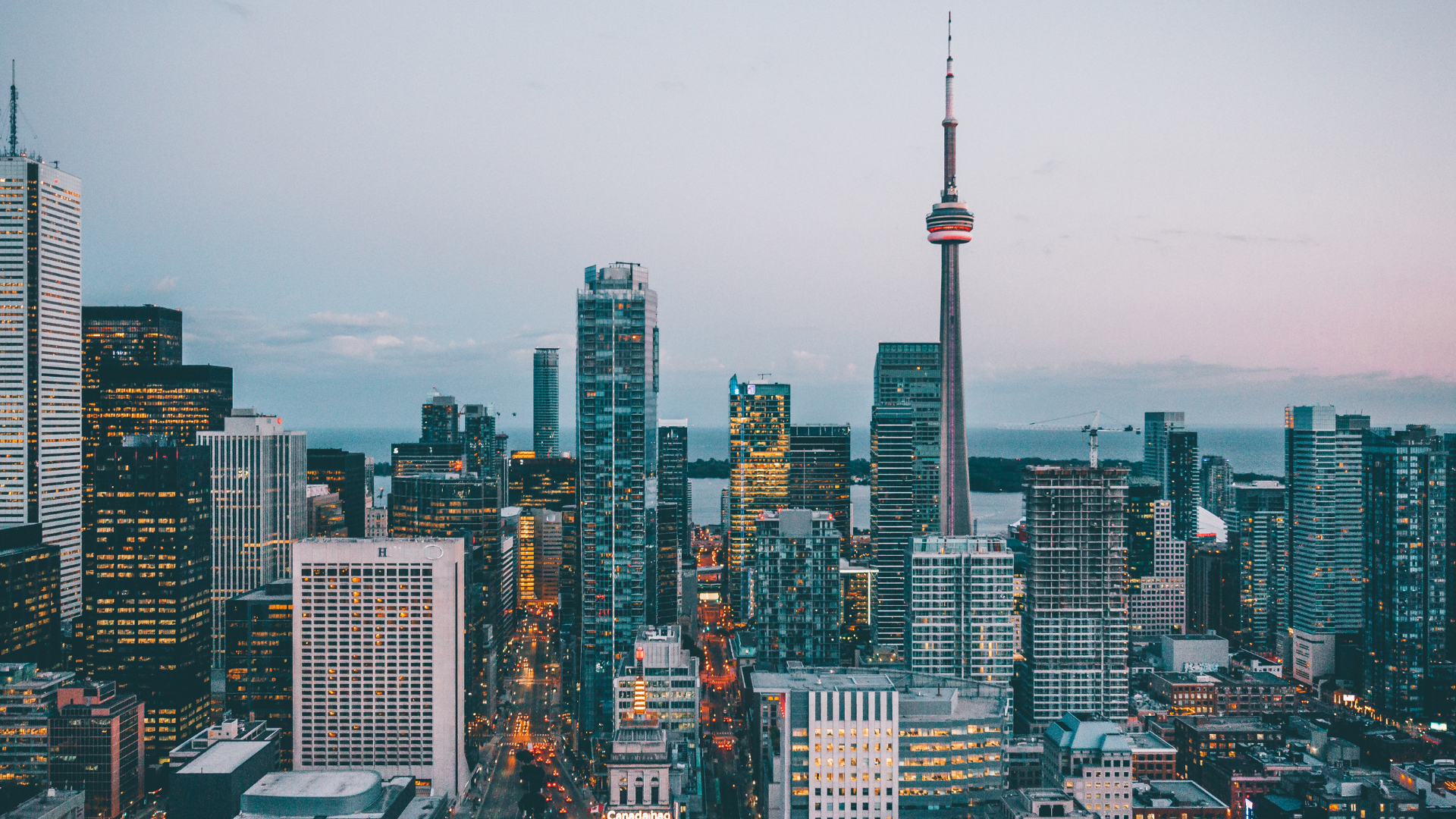
Midtown Toronto in 2026 has entered a major transit-driven re-rating cycle. After fifteen years of planning and over $12 billion in capital expenditure, the Eglinton Crosstown LRT (Line 5) officially opened to passengers on February 8, 2026. This 19-kilometer line spans from Mount Dennis to Kennedy, moving over 123,000 daily riders and slashing east-west transit times across the Midtown core by up to an hour. This monumental infrastructure upgrade has generated significant "walk-to-transit" premiums that are actively redefining local real estate valuations.
To help active buyers and downsizers navigate this dynamic region, here is a street-level breakdown of Midtown's five core enclaves.
1. Yonge & Eglinton: The Dense Urban Growth Node
This designated Urban Growth Centre remains Midtown's high-energy commercial and residential hub. Locally nicknamed "Yonge and Eligible," the corridor is highly popular with young professionals and early-career singles who prioritize seamless transit access and vibrant nightlife. The architectural landscape is defined by modern concrete-and-glass high-rise condominium towers built over active retail podiums, which transition abruptly on adjacent secondary streets into traditional brick semi-detached and detached homes.
- Valuation & Pricing: As of late 2025, condominiums here averaged $752,000 with 26 average days on market. Resale units in established buildings trade between $900 and $1,200 per square foot, offering a massive discount to new pre-construction units in the corridor, which command a steep premium of $1,491 to over $2,000 per square foot.
2. Davisville Village: Connected Family Harmony
Davisville Village continues to be a premier destination for move-up buyers looking for a community-centric balance of urban connectivity and residential quiet. The neighborhood offers walkability without the noise and density of Yonge-Eglinton.
- Valuation & Pricing: Freehold transactions are highly competitive, with the average home price reaching $1,953,119 in June 2026, representing a robust 27.9% year-over-year increase. Detached properties here averaged $2,100,393, while semi-detached homes averaged $1,658,571. The market moves at an accelerated pace, with homes selling in an average of just 17 days.
- The School Premium: Families are willing to pay localized premiums of up to $200,000 to secure catchments within top-performing public institutions. Davisville is anchored by Maurice Cody Junior Public School, which boasts exceptional EQAO scores (94% Reading, 89% Writing, and 87% Math), as well as North Toronto Collegiate Institute.
3. Deer Park: The Ravine Haven
Centering around the Yonge and St. Clair corridor, Deer Park offers a multi-tiered housing mix of low-rise luxury condominiums and sprawling detached estates. Quiet, heavily forested streets like Heath Street and Balmoral Avenue seamlessly integrate with local ravine networks and Mount Pleasant Cemetery.
- Valuation & Pricing: With a high Walk Score of 97 and immediate subway access, the neighborhood boasts strong tenant retention, supporting a population where 67% of residents are renters.
- Architectural Heritage: A premier example of local heritage preservation is the Deer Park Church (129 St. Clair Avenue West), which underwent an innovative rehabilitation in 2024 to transform its neo-Gothic interior into an open-air public courtyard connected to the Blue Diamond residential tower.
4. Summerhill: The Village Outperformer
Perched directly south of Deer Park, Summerhill is a quiet, highly walkable outperformer, anchored by the iconic 1916 LCBO Clock Tower and Summerhill Station.
- Valuation & Pricing: Detached heritage homes here range from $1.8 million to $4.8 million, with the average neighborhood sold price sitting at $1,614,883 in early 2026. Summerhill functions as an urban village with daily amenities at your doorstep.
- Development & Preservation: The neighborhood features strict heritage protections and established residential zoning, meaning its picturesque streetscapes will remain highly preserved for decades to come. Semis on MacPherson and Marlborough Streets feature highly sought-after Edwardian architecture that clears quickly when priced accurately. A major local urban development is the settlement at 1196 Yonge Street (Yonge and Birch), which integrates a 32-story mixed-use tower while fully conserving the designated historic facades.
5. Leaside: The Planned Classic
Meticulously designed in the 1920s as a planned community of brick Tudor and Georgian homes, Leaside has been highly re-rated by two new Eglinton Crosstown stations.
- Valuation & Pricing: While the entry threshold sits stably around $1.3 million, Leaside commands a significant premium, with average sales reaching $2,571,182 in June 2026. The upper end of Leaside's market is exceptionally robust, highlighted by a record-setting sale on Rykert Crescent that closed for $6,750,000 in just 11 days (featuring a 300-foot deep lot and a custom design by Richard Librach).
- Lifestyle Draw: The community is a major draw for families due to larger lot sizes and top-tier academic institutions, including Leaside High School, which carries an impressive 9.1/10 Fraser Institute rating.