Neighborhood Guide: The Garden Suburbs of North Toronto
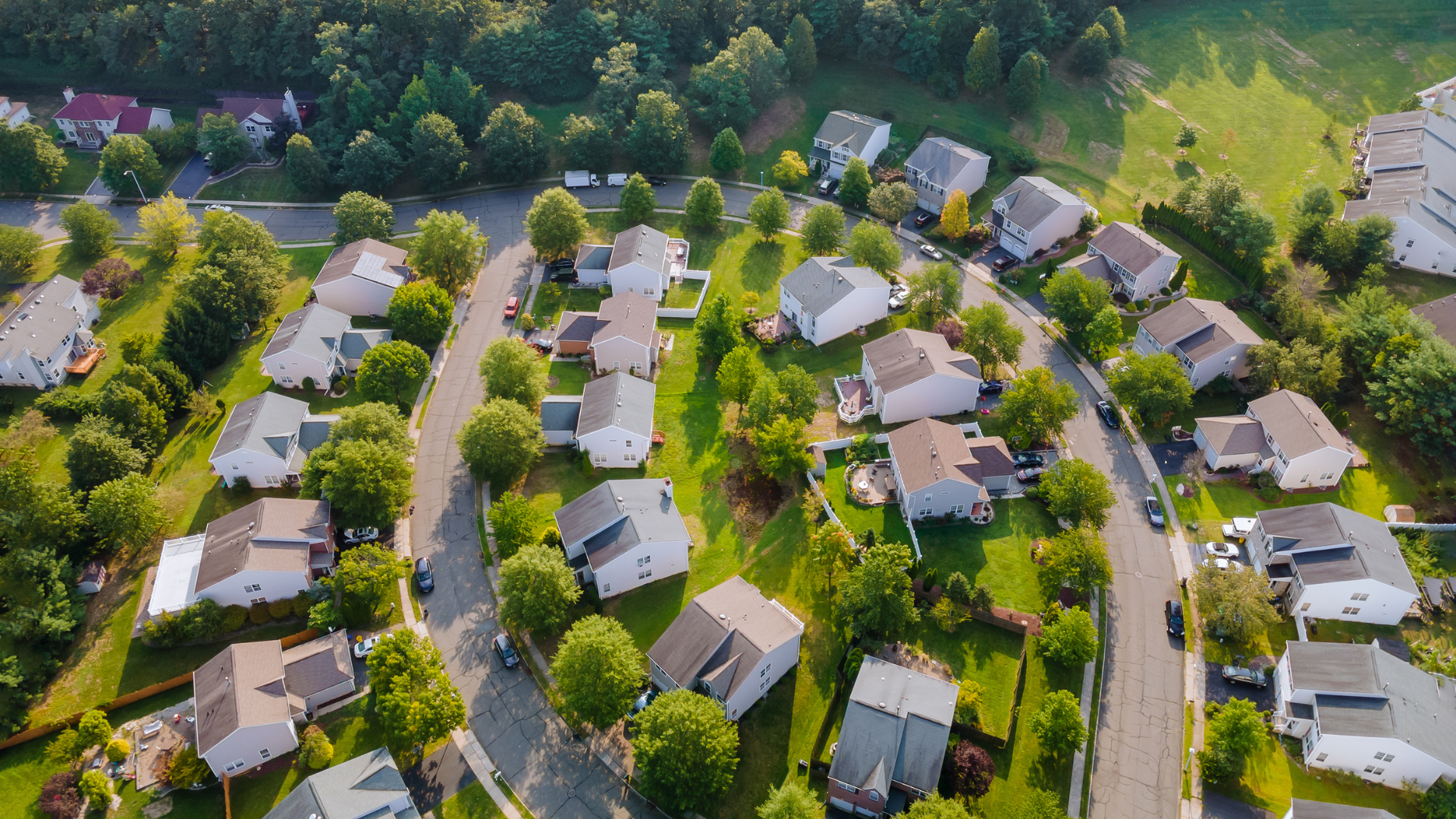
Toronto’s garden suburbs, anchored by the historic and prestigious Lawrence Park, offer an unparalleled blend of architectural grandeur, lush ravines, and elite educational access. Designed in 1907 as Canada’s first planned garden suburb, the area deliberately departs from Toronto's traditional grid pattern, featuring gently rolling hills, curving streets, and a generous tree canopy.
Here is a comprehensive micro-market analysis for luxury and move-up buyers looking to invest in North Toronto's most coveted enclaves.
Current Market Analysis & Sales Trends
The luxury residential real estate market in North Toronto represents a highly resilient sector within the Greater Toronto Area.
- Pricing & Velocity: As of Q3 2025, the average sold price for a detached home in Lawrence Park South was $3,471,000.
- Market Trends: Properties in this area averaged 37 days on the market with a 96% sale-to-list ratio, indicating a balanced market where well-priced homes sell efficiently, but highly informed buyers leave little room for speculative overpricing.
- 2026 Outlook: By early 2026, the luxury tier maintained its stability, with average detached prices in the historical core pushing between $3.9 million and $4.7 million. The market heavily favors detached houses, which account for 95% of sales volume.
Architectural Heritage & Lot Characteristics
Lawrence Park holds one of the largest concentrations of intact early 20th-century residential architecture in Toronto.
- Architecture Styles: The defining styles of the neighborhood are Tudor Revival, Georgian, English Cottage, and Colonial designs, predominantly built between the 1910s and late 1940s.
- Lot Dimensions & Restrictions: Lots feature generous dimensions, often with 50-to-75-foot frontages. The neighborhood is protected by strict lot coverage restrictions and architectural covenants set by the original Dovercourt Land Company, which prevents jarring densification and preserves the mature tree canopy.
Street-by-Street Value Analysis
Real estate values in North Toronto are highly sensitive to micro-spatial variations and street placement.
- The Crescent & Ravine Premium: Homes located on curving prestige crescents or those backing directly onto the ravine system command a 15% to 25% value premium over standard, street-facing rectangular lots. Ravine lots often sell for $500,000 or more above identical homes located just one street away.
- Premier Corridors: The most historically intact and highly valued streets in Lawrence Park South include Lympstone Drive, Dawlish Avenue, Snowdon Avenue, and Cheltenham Avenue. In neighboring Lawrence Park North and Lytton Park, estate-scale properties on Teddington Park Avenue, Riverview Drive, and Cortleigh Boulevard consistently command peak market prices, often ranging between $6.4 million and $10.8 million for custom rebuilds.
Elite School Zones
A primary driver of North Toronto real estate values is its academic infrastructure. Families routinely pay a 10% to 15% localized premium to secure properties within the strongest public school catchments.
- Public Schools: The neighborhood is anchored by Blythwood Junior Public School (a highly stable feeder school) and Lawrence Park Collegiate Institute (LPCI), which is widely recognized as one of Toronto's top-rated secondary schools. Buyers must be vigilant, as not every property marketed as "Lawrence Park" falls within the strict LPCI catchment boundaries.
- Private Schools: The area provides immediate access to some of Canada's most elite private institutions, including Havergal College, Crescent School, and Toronto French School (TFS).
Ravines, Parks, and Transit Advantages
The neighborhood offers an exceptional balance of urban nature and downtown connectivity.
- Green Space: Residents have immediate access to the Blythwood Ravine, Chatsworth Ravine, and the beautifully manicured Alexander Muir Memorial Gardens. This ravine network provides a micro-climate that absorbs stormwater and insulates homes from urban noise.
- Transit Proximity: While the interior streets remain quiet and car-dependent, the neighborhood sits perfectly along the Yonge Street corridor, granting rapid access to Line 1 Lawrence Station and the newly operational Eglinton Crosstown LRT.
Renovation Potential & Custom Rebuild Guidelines
With approximately 45% of the housing stock predating 1960, custom renovations and rebuilds are highly popular.
- Rebuild Costs: Buyers planning a custom rebuild should budget between $450 and $650+ per square foot for hard construction costs alone. Total project costs will run considerably higher once design, permits, and contingencies are factored in.
- Conservation & Tree Bylaws: Developing on ravine-adjacent lots requires strict adherence to environmental regulations. Any expansion or rebuild near a slope must meet the Toronto and Region Conservation Authority (TRCA) guidelines, which typically mandate a 10-meter setback from the stable top-of-bank. Furthermore, Toronto’s Private Tree By-law strictly protects the neighborhood's mature tree canopy; removing or injuring trees with a trunk diameter of 30 cm or more without a permit can result in fines up to $100,000 per tree. Securing these approvals can significantly extend a standard 12-to-18-month build schedule.