
Educational Guide for Luxury Buyers: Understanding the Rise of Quiet Luxury in Toronto
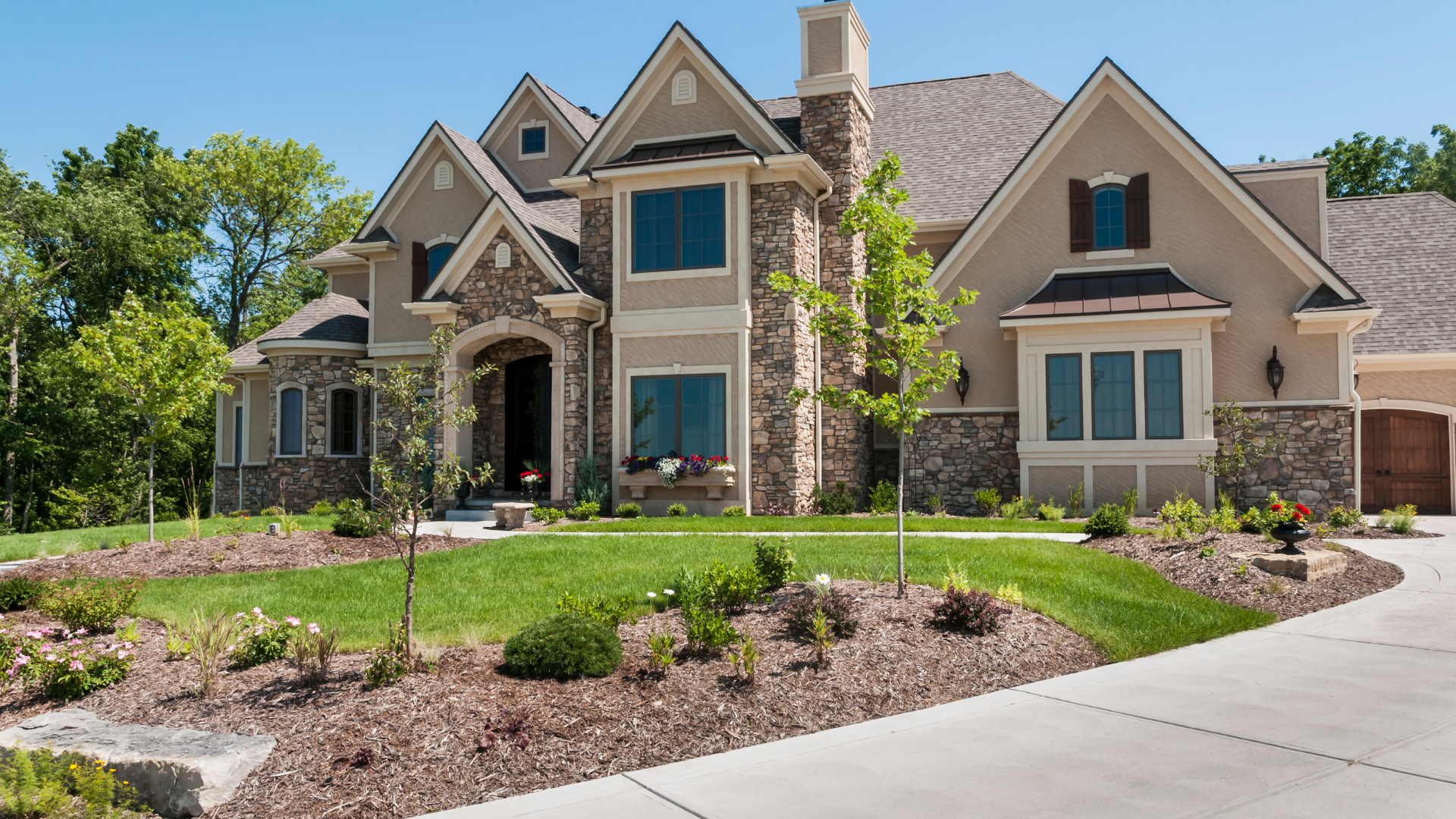
For high-net-worth individuals, executives, and relocating families, the definition of luxury in Toronto real estate is shifting. Today’s most discerning purchasers are moving away from ostentatious displays of wealth and instead embracing the "quiet luxury" lifestyle. This guide delves into what quiet luxury means in the Toronto real estate market, which elite neighborhoods embody it, and how to navigate the complexities of acquiring these coveted properties.
Defining "Quiet Luxury" in Real Estate
In the realm of Toronto real estate, "quiet luxury" describes a living experience defined by profound privacy, low residential density, and an absence of urban congestion. Affluent buyers are increasingly prioritizing environments that offer abundant personal space and low noise levels, moving away from high-density urban districts. A true quiet luxury community achieves a "sweet spot": it maintains excellent walkability and access to high-quality services without the density penalty, noise, and traffic that characterize corridors like the Entertainment District or the Yonge-Eglinton core.
Crucial to this lifestyle is immediate access to nature. Buyers are demanding properties with expansive tree canopy coverage and proximity to parks, ravine networks, and walking trails. Safety, low crime rates, and a sense of community well-being are also foundational pillars of the quiet luxury experience.
Profiles in Prestige: Toronto’s Quiet Luxury Neighbourhoods
Toronto is home to several historic enclaves that perfectly capture the quiet luxury ethos. While they share an affluent demographic, each offers a distinct day-to-day rhythm:
-
Rosedale: Known for its historic formality and legacy feel, Rosedale features curving streets, mature trees, and park-like lots. As a Heritage Conservation District, its picturesque streetscape is highly protected, yet it remains incredibly central, offering surprising walkability to the boutiques and cafes along the Yonge Street corridor.
-
Forest Hill: Forest Hill provides a convincing "village" feel with a broader mix of housing forms. The Forest Hill Village retail node acts as a true community center, allowing residents to enjoy a vibrant, walkable main street while remaining just steps from quiet, established residential avenues and the Cedarvale Ravine.
-
Lawrence Park: Billed as Toronto's original "garden suburb," Lawrence Park is the most consistently quiet and residential of the three. Defined by its lush ravines, gentle topography, and low-intensity streets, it is the ideal enclave for buyers prioritizing a calm, inward-facing residential setting over immediate retail proximity.
Architectural Grandeur and Estate Characteristics
Buyers pursuing quiet luxury are heavily drawn to historic architectural styles, particularly the Tudor Revival, Georgian, and English Cottage designs that defined early 20th-century development.
Beyond the facade, property characteristics play a massive role. Buyers are seeking large, deep lots with substantial setbacks and private, gated access. Properties adjacent to ravines are particularly prized for their unmatched privacy and connection to nature, though buyers must navigate Conservation Toronto approval processes for any major renovations.
Inside, the focus has shifted toward wellness and generational living. "Wellness estates" featuring net-zero energy systems, infrared saunas, and cold plunge pools now command significant premiums. Furthermore, many international and affluent families are purchasing and consolidating multiple adjacent lots to create private, multi-generational family compounds.
Schools and Safety: The Ultimate Decision Drivers
For high-net-worth families, proximity to elite education is a non-negotiable decision driver. Neighborhoods like Lawrence Park and the Bridle Path are anchored by their access to the country's best educational institutions. The ability to live within a short distance of top-tier private schools like Crescent School, Toronto French School (TFS), and Havergal College, as well as highly rated public schools like Lawrence Park Collegiate Institute (LPCI), heavily dictates where affluent buyers choose to invest.
The Importance of Discretion: Navigating Off-Market Listings
In the uppermost tiers of the market, discretion is paramount. High-profile executives, celebrities, and "old money" families often value confidentiality above all else, preferring not to have their property details broadcast to the general public.
Consequently, a significant portion of ultra-luxury real estate is sold through private, off-market, or exclusive listings. To access this hidden inventory, buyers cannot rely on standard public portals. They must work with highly experienced, well-connected brokers who actively network with other top-producing luxury agents. A connected broker can discretely source opportunities and negotiate terms while fiercely protecting their client's privacy and identity.
Market Trends and Long-Term Investment Value
The luxury housing segment currently operates on a different cycle than the broader real estate market. Affluent buyers are notably less sensitive to interest rate fluctuations, often utilizing cash reserves, portfolio-backed lending, or private banking to finance their purchases.
Because these buyers are transacting based on long-term wealth preservation rather than short-term economic pressures, the luxury market has remained remarkably resilient. Neighborhoods like Lawrence Park and Rosedale offer exceptional value retention due to their stable zoning, strict heritage protections, and minimal development pressure.
Evaluating the Intangibles
When purchasing a quiet luxury property, buyers must evaluate elements far beyond interior finishes and square footage. The true value lies in the intangibles: the caliber of the community, the strictness of local heritage covenants that protect streetscape continuity, the exact boundaries of top school catchments, and the long-term legacy of the land itself.
By partnering with an expert broker who understands these nuanced layers, affluent buyers can confidently secure a property that delivers both a peerless daily lifestyle and a generational financial safe haven.